Media cartographer Evan Shapiro is right: the "TV" wars are effectively over, and YouTube won. It is now the single biggest channel on television screens in America.
For any media company, and especially for PBS stations, ignoring this reality is not an option. Many stations are focusing on YouTube and other social platforms, almost to the exclusion of other distribution. It makes sense. The audience is large and the startup investment is minimal.
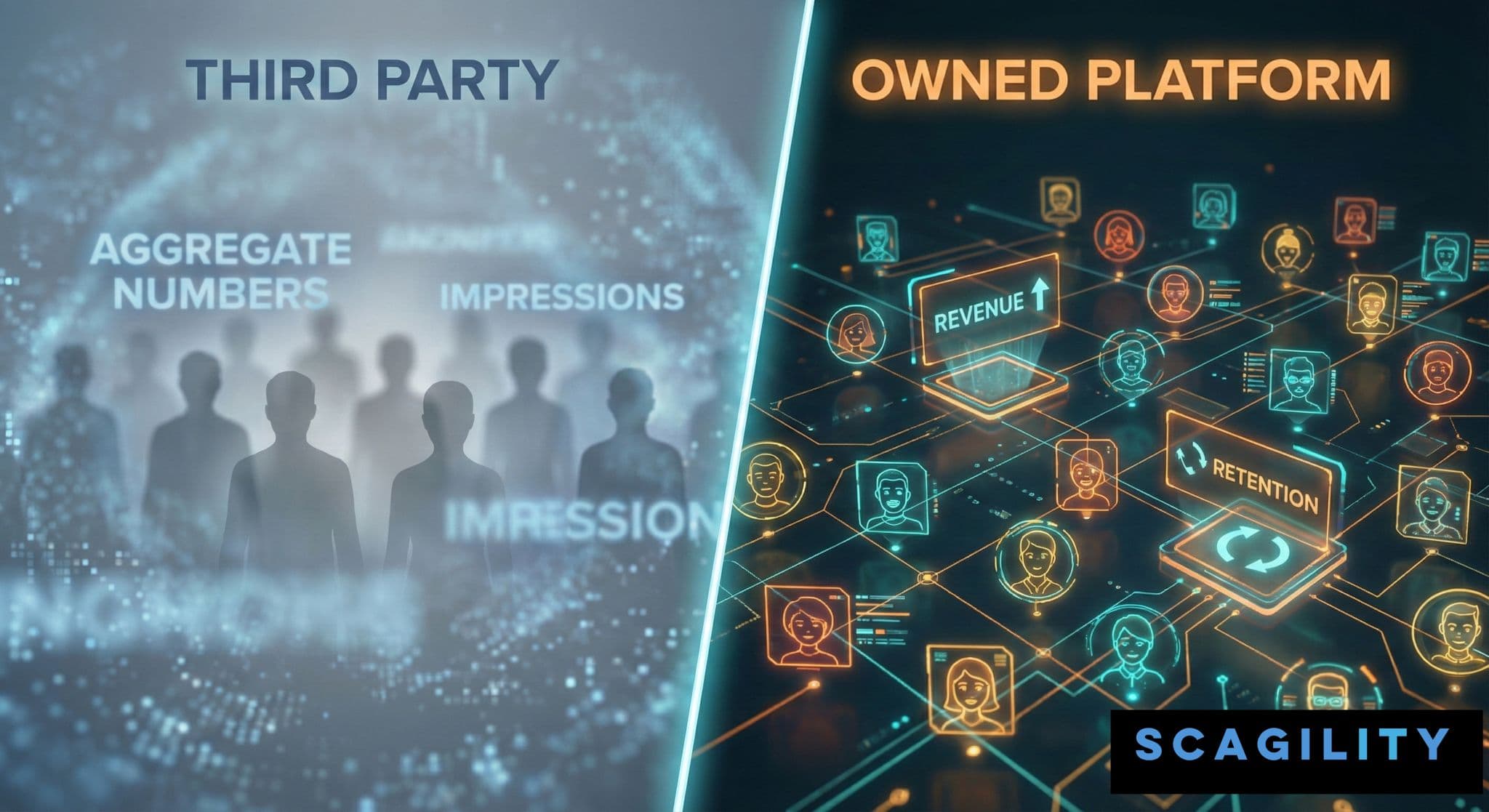
A strategy that relies solely on third-party aggregators, however, is not a distribution strategy. It's a dependency strategy.
YouTube has terrific reach, but it's also not without its defects, including limitations on content, algorithms that determine which content is best for YouTube rather than for stations, and an inability for PBS stations to monetize.
Even the PBS digital application, provided by the PBS national organization, is effectively a third-party platform from a station's perspective. Stations have limited control over the experience of their content, limited data to understand their users, and narrow monetization options.
In a healthy media distribution diet, owned distribution (OTT/CTV apps) acts as the essential counterbalance to the reach of big tech algorithms and disintermediators:
From aggregation to segmentation. Third-party data tells you how many watched. Owned data tells you who watched. This feedback loop is critical for understanding audience needs and improving direct connection and engagement with the most avid supporters.
Mission-critical control. On third-party platforms, the experience is dictated by algorithms and other feature constraints. For some state networks with specific mandates, like NJ PBS or KET for public affairs programming, it is mission critical to be able to determine and distribute their programming.
Revenue flexibility. It creates a sandbox for hybrid monetization, blending charitable giving with AVOD, SVOD, and TVOD, among other creative options.
Years ago, "owning your platform" meant a seven-figure custom build. Today, the technology has been commoditized. SaaS and other white-label solutions now make it cost-effective for stations of all sizes to launch branded apps on Roku, Apple TV, and Fire TV.
YouTube is still an essential component of distribution, for discovery and casual audiences. Maximizing viewer engagement and monetization, however, requires a platform that gives stations more control over the experience.